
Pets in the garden
Spring is a great opportunity to play with your pet in the garden. But beware of a few things that could change his stay in the garden in unwanted health adventures.
Fencing the garden
The fenced garden will soon be small for your pet, so he will start looking for a chance to escape for an adventure outside. Fill all the holes in the fence that could be a potential opportunity for a pet to get out of the garden.
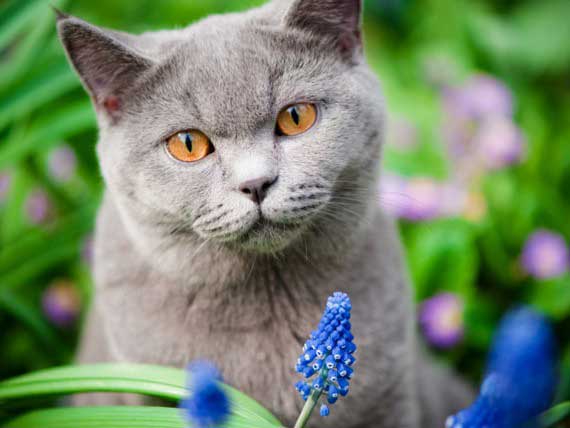
Barbecue in the garden
During barbecue or burning fire in the garden, pay extra attention to your pet and do not let him to get close to the fireplace or grill. Beware of bones that tend to split into sharp pieces which can cause bowel perforation or severe constipation of the animal.
Lawn mower
When mowing the grass, make sure the cat does not follow the cord from the mower or the dog does not chew it.
Chemicals
Chemicals used in wood impregnation (eg fence) can be very highly toxic for the pet due to their antiseptic properties. Garden sprays on plants, insecticides and pesticides can be toxic to animals as well. Rodents can cause blood clotting disorders when consumed by the pet. If you are chemically treating the lawn, make sure that your animal does not have access to it for the time specified by the manufacturer in the package leaflet. If the animal has been exposed by wet chemistry or granules, they may stick to their paws. Later the animal can lick it, which can cause stomach disorders or other serious issues.
Beware of overheating the animal
In hot weather, keep a shaded place for rabbits or guinea pigs located in the garden. Dogs can be sprayed with cold water. Even a cat can bathe in warm water! But make sure that the water does not get into ears. If your pet stays in the sun for a long time, he or she may start to be mild or get sick. In these cases, contact your veterinarian immediately. Animals with light coat are more susceptible to burns. In particular, the area of the ears and the nose of the animal are predisposed to the development of skin cancer. You should treat these parts of your pet with a baby sun protection cream.
Water areas in the garden
Watch carefully your pets if you have a pond or swimming pool in the garden. Cats and smaller dogs can easily fall into it. In subsequent panic they can get involved in water plants and will not be able to climb out of the pond. Large breeds of dogs can experience the same in deep lakes or pools. Pets should not drink water from ponds or swimming pools, which may be dirty or too chlorinated. You should always have a source of clean fresh water for them, even when going out to nature.
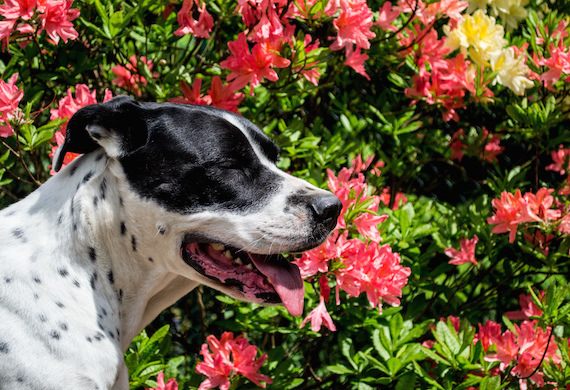
Toxic plants
Have good knowledge of the toxicity of plants grown in your garden, especially if you are keeping grazing pets like rabbits, guinea pigs and turtles. There are many plants that can cause serious health complications in animals. Plants that most commonly cause animal health problems should be grown outside their reach.
• For example, lily of the valleys, oleander, azalea or rhododendron may be the cause of cardiovascular problems when consumed by your pet.
• Rhubarb and clover leaves contain substances that cause kidney failure.
• Some lilies are highly toxic to cats, causing severe acute kidney failure - even when taking small doses they can cause kidney failure and animal death within 24-48 hours.
• Some types of palms (eg Cycasses) can cause damage to the animal's liver.
• Hydrangeas may be the cause of an animal's death due to hydrogen cyanide poisoning at higher doses.
• Certain types of fungi can cause damage to the liver or other animal organs.
Most poisonous plants have a bitter taste and animals tend to avoid them. Nevertheless, beware of everything your pet can taste. In case of any doubts or questions, please contact your vet doctor.
28.05.2018
